
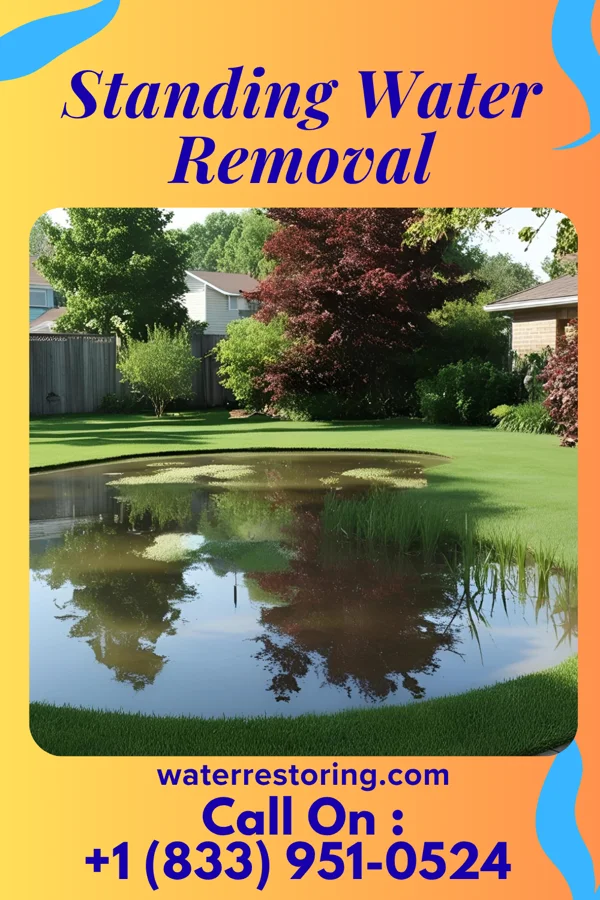
What Makes Little Mountain Standing-Water-Prone
Living in Little Mountain means dealing with In Little Mountain, South Carolina, heavy rainfall and flooding from nearby streams and rivers are the primary causes of water damage, especially during spring and summer months. Additionally, agricultural runoff and drainage issues from surrounding farmlands can lead to localized water accumulation in residential areas. sooner or later. A close second is Secondary causes include plumbing leaks from aging infrastructure, sewer backups due to outdated systems, and groundwater seepage through porous soil in rural areas. These factors often compound during periods of extreme weather or prolonged rain.. The good news: water damage is fully recoverable when you catch it fast and bring in certified technicians.
Little Mountain experiences a humid subtropical climate with frequent thunderstorms and heavy downpours, increasing the risk of sudden water intrusion. The region's low elevation and proximity to waterways make it particularly vulnerable to flash flooding and prolonged water exposure.
Most standing water removal calls in Little Mountain come from In Little Mountain, South Carolina, heavy rainfall and flooding from nearby streams and rivers are the primary causes of water damage, especially during spring and summer months. Additionally, agricultural runoff and drainage issues from surrounding farmlands can lead to localized water accumulation in residential areas.. Running a close second is Secondary causes include plumbing leaks from aging infrastructure, sewer backups due to outdated systems, and groundwater seepage through porous soil in rural areas. These factors often compound during periods of extreme weather or prolonged rain.. Local mold risk: Mold growth can quickly develop in the humid climate of Little Mountain, especially in older homes with poor ventilation. Prompt water extraction and drying are critical to prevent mold proliferation and long-term structural damage.